Acrylic Pour Backgrounds: Dynamic Textures for Modern Design
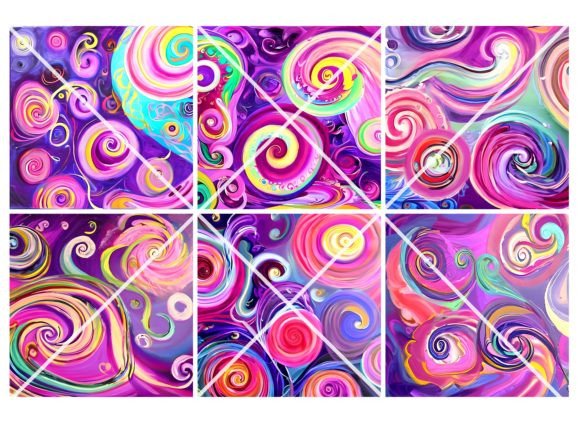
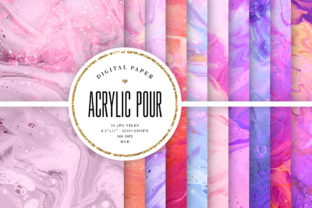
In a digital landscape saturated with clean vectors and sterile gradients, the raw, organic energy of Acrylic Pour Backgrounds offers a compelling visual reset. This collection isn't just another set of static images; it's a curated toolkit of fluid dynamics, capturing the unpredictable beauty of acrylic paint in motion. You will receive 10 high-resolution JPG files, each with pixel dimensions of 2550×3300, a print dimension of 8.5″x11″, RGB color mode, and a crisp 300 DPI resolution. This specification makes them immediately usable for both high-quality print projects and vibrant digital work, providing a versatile foundation for countless creative applications.
The Visual Personality: Where Chemistry Meets Canvas
The core appeal of these backgrounds lies in their unique visual characteristics. They mimic the effect of fluid acrylics, where colors collide, blend, and separate in mesmerizing, unrepeatable patterns. Expect to see rich, saturated hues—deep blues, fiery reds, luminous golds, and earthy neutrals—swirling into one another. The textures are complex, featuring delicate cells (the small, circular formations typical in acrylic pouring), soft lacing, and bold, sweeping marbling. Each background in the set tells a different story; some may feel chaotic and energetic, while others offer a more serene, watercolor-like diffusion. This inherent variety ensures that no two projects will look exactly alike, even when using the same asset pack.
From a design perspective, these backgrounds possess a distinct personality. They are artistic, expressive, and modern. They reject the impersonal feel of stock photography and generic patterns, instead injecting a handcrafted, tactile quality into any layout. This makes them particularly effective for brands and creators aiming to convey authenticity, creativity, and a human touch. The visual noise and depth they provide can instantly elevate a flat design, adding a layer of sophistication and intrigue that commands attention.
Strategic Applications: From Branding to Digital Publishing
Understanding where Acrylic Pour Backgrounds excel is key to leveraging their full potential. Their strength lies in serving as a powerful backdrop for typography, logos, and key visual elements. Here’s how different professionals can integrate them:
- Brand Identity & Logo Design: For businesses in creative industries—art studios, boutique bakeries, wellness brands, or innovative tech startups—these backgrounds can become a cornerstone of visual identity. Use them behind your logo on business cards, letterheads, or website headers to create an immediate impression of artistry and depth. The organic patterns ensure your branding feels unique and memorable.
- Editorial & Publishing Design: Magazine covers, book jackets, and online article headers benefit immensely from this aesthetic. A background from this set can set the mood for a feature story on creativity, mental health, or lifestyle trends. For publishers, they offer a way to create visually striking covers that stand out on a crowded shelf or in a digital feed.
- Marketing & Social Media Graphics: In the fast-scrolling world of social media, capturing attention is paramount. These textures make excellent backgrounds for quote graphics, promotional posts, Instagram stories, and Facebook ads. They provide visual interest without overwhelming the text, especially when paired with a semi-transparent overlay or a solid color block for legibility.
- Packaging & Product Design: Imagine the sleeve of a premium candle, the label on an artisanal soap, or the box for a luxury cosmetic product. Acrylic Pour Backgrounds can transform packaging into a piece of art, suggesting quality, care, and a unique sensory experience.
- Web Design & Digital Assets: Use them for hero sections, about page backgrounds, or as textures within digital products like e-books, planners, or course materials. Their high resolution ensures they look sharp on retina displays and can be cropped or zoomed without losing quality.
Practical Guidance for Effective Implementation
Simply dropping a beautiful background into a project isn't enough. Successful integration requires thoughtful execution. Here’s a practical guide to using these assets effectively:
Evaluating Fit and Readability
The primary challenge with any textured background is maintaining clear visual hierarchy and readability. Before selecting a background, consider the volume and importance of your text. For projects heavy on body copy, like a brochure or a blog post graphic, choose a background with more subtle, less busy areas. You can also:
- Use Overlays: Place a semi-transparent white, black, or colored rectangle over the background to soften the texture, ensuring your text pops.
- Strategic Placement: Position your most critical text (like a headline or price) over the calmest area of the background, avoiding the busiest swirls of color.
- Font Choice is Critical: Pair these expressive backgrounds with clean, high-contrast typography. A bold sans serif font or a strong, modern serif font often works best. Avoid overly ornate script fonts or handwritten fonts for main text, as they can become illegible against the complex texture. Reserve decorative fonts for very short, impactful headlines where style trumps prolonged reading.
Testing and Commercial Considerations
Always test your designs across different devices and in print proofs if possible. What looks balanced on a large monitor might feel overwhelming on a smartphone screen. Check contrast ratios to ensure accessibility standards are met. Furthermore, since these are premium design assets, verify the licensing for your intended use. Most high-quality asset packs are licensed for both personal and commercial projects, but it's a professional best practice to confirm the terms, especially for large-scale commercial applications like product packaging or national advertising campaigns.
Ultimately, Acrylic Pour Backgrounds are more than just pretty pictures; they are a versatile creative font for visual storytelling. They offer a bridge between traditional art and modern digital design, providing a rich, tactile foundation that can help define a brand's character, engage an audience, and elevate any project from ordinary to extraordinary. By applying strategic design principles and thoughtful pairing, you can harness their dynamic beauty to create work that is both visually stunning and functionally effective.