Colorful Backgrounds: 12 Dynamic Assets for Modern Designers
In the world of digital and print design, the canvas is just as important as the message painted upon it. While typography and imagery often steal the spotlight, the foundation of your layout—the background—dictates the mood, readability, and professionalism of the final product. If you have ever found yourself scrolling through endless stock sites looking for that perfect texture or gradient, you know how time-consuming the search can be. This is where a curated collection like Colorful Backgrounds becomes an indispensable part of your design toolkit.
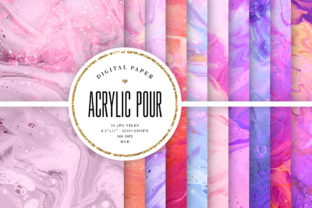
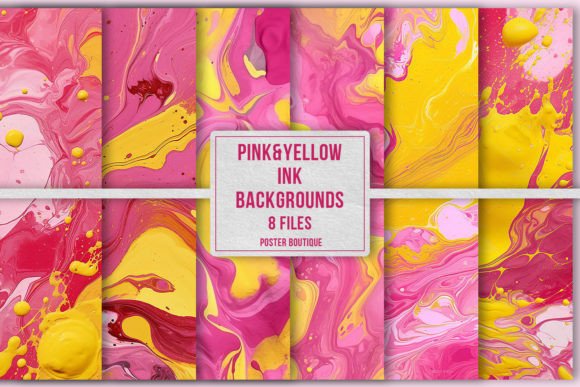
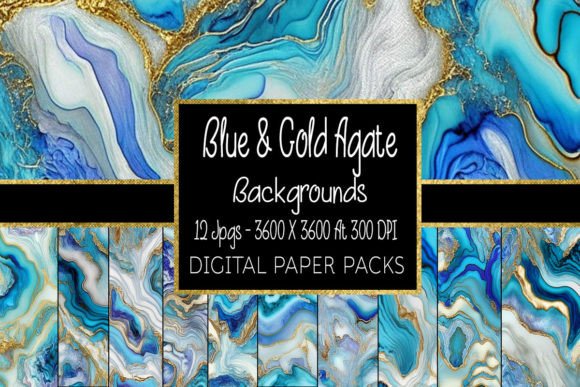
This specific collection offers a zip file containing 12 distinct, high-quality backgrounds. It is designed to serve as a quick-start solution for marketers, entrepreneurs, bloggers, and graphic designers who need to produce polished content without starting from scratch. These aren't just flat colors; they are carefully crafted visual assets that bring depth and energy to your projects.
The Visual Personality: More Than Just Noise
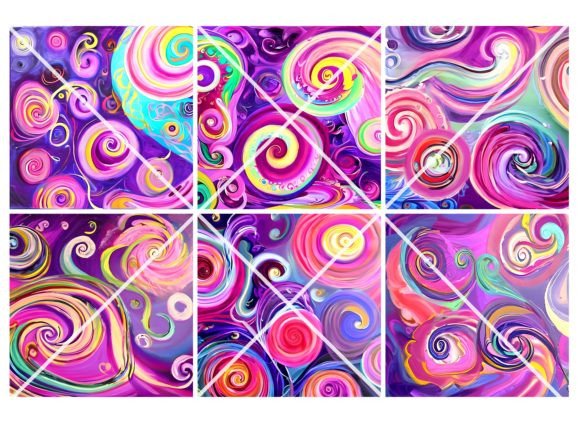
When we talk about Colorful Backgrounds, we are referring to a specific style of modern typography and graphic design support that leans into vibrancy. These assets typically feature rich gradients, abstract textures, and dynamic color combinations that evoke creativity and innovation. Unlike a static, single-tone background, these designs add a layer of complexity that suggests movement and depth.
The appeal lies in their versatility. Whether you are working on a bold, futuristic brand identity or a playful, whimsical social media campaign, a colorful background sets the stage. They act as the perfect foil for display font headers or clean sans serif font body text. The visual personality of these assets is confident and energetic, making them ideal for projects that need to grab attention immediately.
Why Texture and Color Matter in Branding
For small business owners and entrepreneurs, brand perception is everything. A flat white background can sometimes feel sterile or unfinished. Conversely, a well-chosen colorful background can convey a sense of quality and thoughtfulness. It tells your audience that you care about the details.
Consider a logo design presentation or a pitch deck. Using a vibrant, textured background behind your logo can help it pop, giving it a "premium font" feel even if the typeface itself is simple. It is about creating an environment where your brand identity can flourish. These backgrounds help bridge the gap between amateur drafts and professional commercial font presentations.
Practical Applications Across Industries
The true value of a resource pack like this is its utility across different mediums. You are not limited to one type of project. Here is how different creative professionals can leverage these 12 backgrounds:
- Web Design and UI: Use these as hero sections for landing pages. A vibrant background paired with a crisp white serif font or sans serif font creates a high-contrast, readable, and engaging user experience.
- Social Media Graphics: Platforms like Instagram and TikTok are highly visual. These backgrounds work wonders for quote cards, announcement posts, and story highlights, ensuring your content stops the scroll.
- Editorial Design: For bloggers and publishers, these assets can be used for feature image headers, magazine covers, or pull quotes within long-form articles to break up the text and maintain reader engagement.
- Packaging Design: If you are creating mockups for physical products, a colorful background can simulate real-world lighting and environment, making your product shots look more lifelike and appealing.
- Crafting and Hobbyists: For those creating digital planners, scrapbooking pages, or printable wall art, these backgrounds provide a professional finish that elevates homemade projects into polished goods.
Design Strategy: Integrating Backgrounds with Typography
One of the most common mistakes in design is clashing elements. A busy background can easily overwhelm text, leading to poor readability. When using Colorful Backgrounds, you must think about visual hierarchy.
Pairing and Contrast
If you are using a background with high color variation, opt for a script font or handwritten font with caution. These styles are often delicate and can get lost in the noise. Instead, consider a bold, geometric display font for headlines. The thick strokes of the letters will stand up against the vibrant backdrop.
For body text, simplicity is key. A clean sans serif font with adequate line spacing (leading) ensures that your message remains legible. You might also consider adding a semi-transparent overlay or a "knockout" shape behind your text block to separate the content from the background texture.
Evaluating Project Fit
Not every project screams for color. A law firm’s website or a medical journal might require a more subdued approach. However, for a tech startup, a music festival poster, or a fashion lookbook, these backgrounds are perfect. The key is to match the energy of the background with the energy of your brand voice.
Maximizing Your Investment
Purchasing a zip file of design assets is an investment in efficiency. Instead of paying a photographer for custom texture shots or spending hours in Photoshop creating gradients, you have a ready-made library at your fingertips.
When you download the Colorful Backgrounds pack, take the time to review each of the 12 files. Organize them by color temperature (warm vs. cool) or by complexity. This makes it easier to select the right one when you are in the creative flow.
Testing and Iteration
Don't just drop a background in and call it a day. Test how it looks across different devices. A background that looks vibrant on a high-resolution desktop monitor might look muddy on a mobile screen. Ensure that the resolution of the files is high enough for print (usually 300 DPI) if you plan to use them for physical materials like flyers or business cards.
Conclusion: Elevating the Everyday
In the end, design is about communication. Colorful Backgrounds provide the visual vocabulary to communicate energy, creativity, and professionalism. By integrating these 12 versatile assets into your workflow, you streamline your production process and elevate the quality of your output. Whether you are building a brand identity from the ground up or refreshing your latest marketing campaign, having a stash of high-quality, colorful backgrounds ensures you are always ready to create something compelling.