Unlocking Texture with Abstract Halftone Backgrounds
In the realm of visual design, texture is often the unsung hero that separates a flat, lifeless composition from a dynamic, engaging masterpiece. While we spend hours debating between a sans serif font and a serif font, or tweaking the kerning on a script font, the background often serves as the canvas that holds the entire piece together. This is where the power of Abstract Halftone Dots Backgrounds becomes undeniable. This specific collection is not just a set of static images; it is a versatile toolkit designed for the modern typography enthusiast and the practical creator alike. By leveraging the classic halftone effect—a technique rooted in printing history—and infusing it with abstract, wavy lines, this set offers a bridge between retro nostalgia and futuristic minimalism.
The Anatomy of the Aesthetic
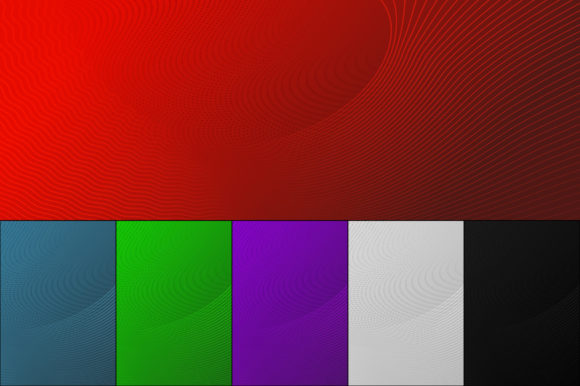
Understanding the visual language of these assets is key to using them effectively. Traditional halftone effects mimic the look of vintage print media by breaking an image into dots of varying sizes. However, the Abstract Halftone Dots Backgrounds set evolves this concept. Instead of rigid grids, you get organic movement through wavy lines and scattered dots. The result is a visual texture that suggests energy, sound, or motion without being literally representational. It is a creative font for the background—meaning it has a distinct personality that demands attention but remains versatile enough not to overshadow your primary content.
The color palette included in the set—ranging from aggressive reds and calming blues to stark blacks and crisp whites—allows for high contrast and emotional resonance. Whether you are aiming for a dark mode aesthetic that screams tech-forward or a light, airy vibe for a lifestyle brand, the color options provide the necessary flexibility. Because these are design assets built on vector foundations, they maintain their crispness regardless of scale. This scalability is crucial for professionals who need to move between a small social media icon and a massive trade show banner without losing image fidelity.
Strategic Applications for Modern Creators
For the entrepreneur or brand identity strategist, selecting the right background is a decision that impacts brand perception. A cluttered background can destroy readability, while a boring one can make a brand forgettable. Abstract Halftone Dots Backgrounds occupy the sweet spot. They add depth and professionalism to a layout without introducing the chaos of stock photography.
Digital and Web Design
In web design, user experience is paramount. These backgrounds work exceptionally well behind hero sections or call-to-action areas. Imagine a landing page where a soft, blue halftone gradient sits behind a bold display font headline. The texture draws the eye inward, creating a focal point that guides the user toward the conversion goal. Furthermore, in the age of social media graphics, stopping the scroll is the primary objective. These abstract textures serve as the perfect backdrop for quote cards, podcast covers, or promotional announcements. They provide enough visual noise to stand out in a busy feed but remain clean enough to ensure that your handwritten font or premium font remains legible.
Print and Packaging
The utility of this set extends deeply into physical media. In packaging design, texture conveys quality. Using a halftone pattern on a product box or a tote bag can evoke a sense of craftsmanship or edgy modernism, depending on the color chosen. For editorial design, such as magazine covers or book jackets, these backgrounds add a layer of sophistication. They allow typographers to play with visual hierarchy by placing text directly over the dots, utilizing the texture to create shadows or depth effects that flat color cannot achieve.
Integrating Texture with Typography
A common challenge for designers is finding a background that complements their chosen typeface. The beauty of the Abstract Halftone Dots Backgrounds lies in their neutrality of shape. Because the shapes are abstract, they do not compete with the specific curves of a script font or the rigid geometry of a sans serif font.
When evaluating font pairing, consider the "busyness" of the background. If the halftone dots are tightly packed and high-contrast, your foreground text needs to be bold and simple to ensure readability. A heavy, black display font works best here. Conversely, if you are using a lighter, more scattered dot pattern, you have the freedom to use thinner, more delicate typefaces. This set provides the versatility needed to support both approaches, acting as a foundational layer that enhances rather than hinders the message.
Practical Workflow and Technical Considerations
For the working professional, the technical specifications of a design asset are just as important as its visual appeal. This collection is structured to streamline your workflow, ensuring you spend less time troubleshooting files and more time creating.
- Vector Flexibility: The inclusion of AI (CC) and EPS (version 10) files means you have full control over the artwork. You can easily change colors to match specific brand hex codes or manipulate the anchor points of the wavy lines to fit a custom layout. This is essential for logo design or creating unique brand identity marks where a generic asset simply won't do.
- High-Resolution Raster: The JPG files are provided at a substantial 8750x3334 pixels. This high resolution ensures that the textures remain sharp in print projects, such as posters or flyers, where pixelation is a professional death sentence.
- Commercial Licensing: Before deploying these assets for a client or your own business, always review the licensing terms. However, having a set of commercial font compatible assets ready to go allows you to pitch ideas to clients with confidence, knowing you have the rights to execute the vision.
Choosing the Right Vibe for Your Project
Not every project calls for the same energy. The versatility of Abstract Halftone Dots Backgrounds allows you to dial the intensity up or down. Here is how to approach selection:
- Assess the Mood: Red and black combinations tend to feel urgent, bold, and energetic—ideal for event posters or tech startups. Green and blue combinations evoke nature, trust, and stability, making them suitable for wellness brands or financial services.
- Test the Hierarchy: Before finalizing a design, overlay your text and check the contrast. Does the background texture interfere with the legibility of your subheadings? If so, consider using a solid color block for the text and bleeding the halftone pattern into the margins.
- Consider the Medium: If you are designing for a mobile-first website, remember that complex patterns can sometimes slow down load times or appear muddy on smaller screens. In this case, using a cropped section of the background or a lighter opacity can maintain performance while keeping the aesthetic.
Ultimately, these backgrounds are tools for expression. They allow content creators, crafters, and small business owners to inject a level of professional polish into their work that is usually reserved for agencies with large budgets. By understanding the interplay between the halftone texture and your chosen typography, you can create designs that are not only visually arresting but also strategically sound, driving engagement and reinforcing your message with every pixel.