Unlocking Creativity: The Allure of Vintage Backgrounds Junk Journal Pages
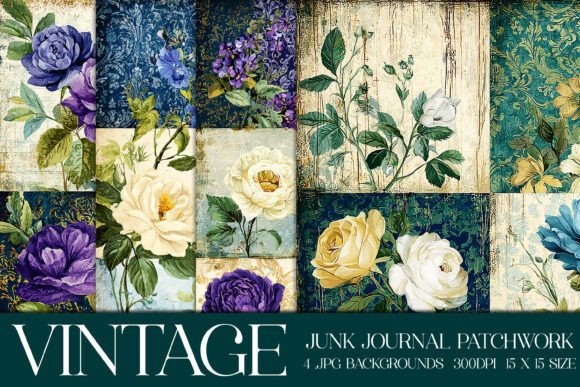
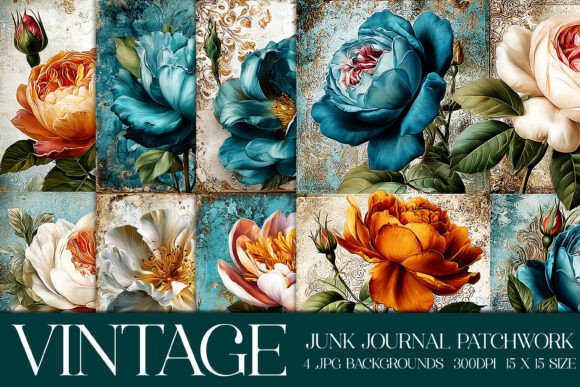
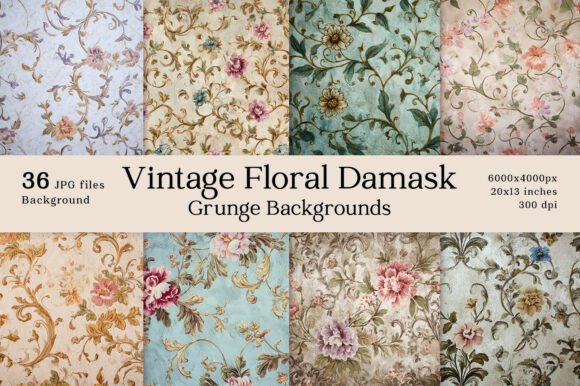
There’s a certain magic in the worn edges of an old letter, the faint ghost of ink on a forgotten postcard, or the textured grain of paper that has lived a life. For creators, capturing that authentic, nostalgic essence can be the most challenging part of a project. This is where a resource like Vintage Backgrounds Junk Journal Pages becomes invaluable. It’s not just a collection of images; it’s a toolkit for evoking emotion, history, and tangible texture in your digital and physical crafts. These pages provide a foundation that feels instantly authentic, saving you the hours of searching, scanning, and editing that creating such backgrounds from scratch would require.
The Visual Language of Aged Paper
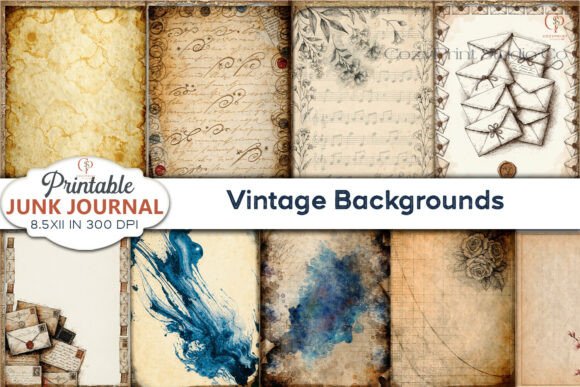
What defines the personality of these vintage backgrounds? It’s a careful curation of visual elements that speak to history and hands-on creation. You’ll find a spectrum of subtle cream, ivory, and beige tones, mimicking paper that has gently yellowed with time. The textures are key—faint fibrous grain, soft creases, and perhaps the delicate impression of watercolor stains or the faded shadow of printed text. Unlike a sterile, perfect digital white, these backgrounds have character. They suggest a story has been written upon them, or that they are about to become the stage for one. This inherent personality makes them a powerful design asset for projects that need to feel personal, handmade, and layered with meaning.
Where Texture Meets Practicality: Ideal Applications
The true value of a resource like this is measured in its versatility. These JPEG files are optimized for both digital screens and physical print, making them a workhorse for a wide range of projects. Consider their use in:
- Junk Journaling & Scrapbooking: This is their native habitat. They serve as perfect base layers, adding instant depth and cohesion to collage elements, photos, and ephemera.
- Editorial & Branding Design: For brands cultivating a vintage, artisanal, or boutique identity, these textures can form the background of a website hero section, a product catalog, or a social media graphic, adding warmth and tactile appeal.
- Packaging & Product Design: Imagine a small-batch candle label, a soap wrapper, or a bakery bag using these backgrounds. They communicate quality, care, and a nostalgic touch that stands out on a shelf.
- Digital Content Creation: Bloggers and content creators can use them as backgrounds for quotes, podcast covers, or Instagram stories, ensuring visual consistency while telling a richer visual story.
- DIY & Paper Crafts: From custom greeting cards and gift tags to planner dashboards and collage art, these pages are ready to be cut, layered, and adorned.
As premium font files often come with multiple styles and weights for versatility, this collection provides 10 distinct high-resolution files. This variety allows you to select the perfect tone and texture level for each specific project, ensuring a tailored result every time.
Integrating Vintage Texture into Your Design Workflow
Simply having beautiful textures isn’t enough; integrating them effectively is what separates good work from great. Think of these backgrounds as you would a serif font or a script font—they are tools with specific strengths that influence readability, hierarchy, and brand perception.
Readability & Hierarchy: A heavily textured vintage background can compete with text. The solution is strategic contrast. Use these pages as a base for larger, bolder display text (like a headline set in a strong display font), or pair them with clean, simple sans serif font body copy that is set in a solid color block or has a slight shadow for separation. This creates a clear visual hierarchy, where the texture provides atmosphere without sacrificing legibility.
Brand Consistency & Recognition: For a small business or a personal brand, using a consistent set of textures from a collection like this can become a signature element. It contributes to a cohesive brand identity across your website, social media graphics, and print materials. This consistency builds recognition and professionalism, signaling a thoughtful and curated aesthetic to your audience.
Evaluating Project Fit & Pairing: Not every project calls for a vintage feel. Before applying a texture, ask: Does this align with the message? A tech startup might not benefit, but a local bookstore, a wedding photographer, or a heritage food brand certainly would. When pairing with typography, consider the mood. A rugged, textured background pairs well with a sturdy handwritten font or a classic serif. A more delicate, faded background might complement an elegant modern typography style or a refined script.
The 300 DPI resolution and 8.5 x 11 inch size are practical considerations that cannot be overlooked. This specification means the files are print-ready at a standard size, eliminating guesswork for your next card-making project or flyer design. The instant download aspect means your creative workflow isn’t interrupted; the moment inspiration strikes, you have the assets at your fingertips.
A Foundation for Storytelling
Ultimately, the best design elements serve the story you’re trying to tell. Vintage Backgrounds Junk Journal Pages offer more than just a pretty pattern; they provide a foundation for narrative. They invite the viewer in, suggesting depth, history, and authenticity. Whether you’re a crafter layering paper and glue, a designer building a brand world, or a publisher creating an immersive reading experience, these backgrounds are a versatile and practical tool. They handle the complex work of creating atmosphere, allowing you to focus on your message and your unique creative voice. In a digital world that can often feel flat and uniform, they offer a welcome return to texture, tactility, and the beautiful imperfections of the past.