Grounded and Versatile: Working with Neutral Watercolor Backgrounds
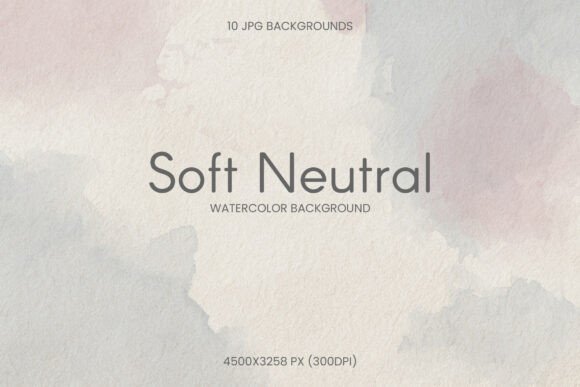
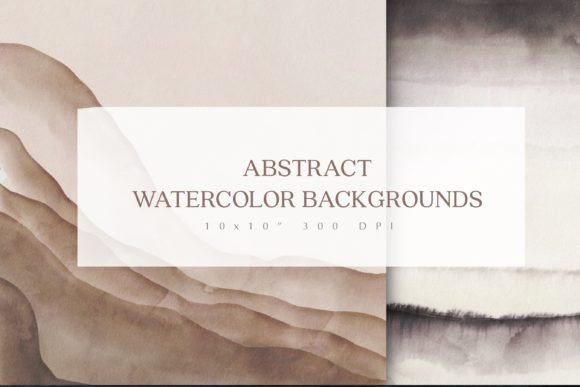
There’s a certain honesty to a texture that doesn’t try to be the loudest thing in the room. Neutral watercolor backgrounds occupy that space perfectly—they’re the quiet foundation that makes everything else look intentional. This collection of eight painted textures, rendered in beige, tan, brown, and grey-ish tones, feels like it was pulled straight from an artist’s palette. Each one carries the subtle grain of paper, the gentle bleed of pigment, and the organic irregularity that digital tools often struggle to replicate. At 3000x3000 pixels and 300 DPI, they’re built for real work—whether that’s a printed brochure, a high-resolution website banner, or a social media campaign that needs to feel authentic.
Why Earthy Tones Resonate Across Projects
Neutral tones have a unique ability to adapt. They don’t compete with typography or imagery; instead, they support them. Think about a minimalist logo set against a soft beige watercolor wash—the focus stays on the brand mark, but the background adds warmth and dimension. Or consider a blog header where a muted grey texture provides depth without distracting from the headline. These backgrounds work because they mirror materials we encounter in nature: stone, sand, weathered wood, handmade paper. That familiarity makes designs feel more approachable and less sterile.
I’ve used similar textures in packaging design for artisanal products, where the goal was to convey craftsmanship without overwhelming the label. A subtle tan watercolor backdrop behind a simple serif typeface created an immediate sense of tradition and quality. For digital projects, like Instagram carousels or Pinterest graphics, these neutrals help maintain visual consistency across posts while allowing text and photos to pop. They’re especially useful in editorial layouts—think magazine spreads or PDF lookbooks—where you need a cohesive thread without relying on bold colors or busy patterns.
Practical Applications for Designers and Creators
If you’re building a brand identity, these backgrounds can become part of your visual system. Use them as recurring elements in social media graphics, email headers, or presentation slides to create recognition. For entrepreneurs and small business owners, they offer a way to elevate DIY designs without custom illustration. A restaurant menu, a wedding invitation, a podcast cover—each can benefit from a texture that feels handcrafted yet polished.
- Web design: Use as hero image backgrounds, section dividers, or subtle page textures that add visual interest without slowing load times.
- Print projects: Ideal for business cards, stationery, brochures, and book covers where a tactile quality enhances perceived value.
- Social media: Create consistent templates for quotes, announcements, or product features that stand out in crowded feeds.
- Packaging: Layer under text and graphics to evoke organic, handmade, or vintage aesthetics.
Integrating Textures with Typography
A background should never fight your typeface. With neutral watercolor textures, you have flexibility. Pair them with a clean sans-serif font for a modern, balanced look, or combine them with a serif typeface for something more traditional. Script or handwritten fonts can work beautifully too, especially when the texture is subtle enough to let the letterforms breathe. The key is contrast—not just in color, but in style. If your background has visible brushstrokes, opt for simpler lettering. If the texture is more muted, you might experiment with a display font that has more character.
Readability is paramount. Always test your text over the background at different sizes and on various screens. Adjust opacity, add a slight overlay, or shift the text color if needed. These backgrounds are high-quality assets, but their real value lies in how they enhance—not hinder—your message. For brand consistency, consider using one or two textures from the collection across all your materials. This creates a recognizable visual language without feeling repetitive.
Making the Most of Your Design Assets
When selecting which of the eight textures to use, think about the mood of your project. A warm beige might suit a lifestyle brand, while a cooler grey could work for a tech startup. Don’t be afraid to crop, rotate, or adjust the color balance slightly to fit your palette. Since these are JPEG files at 300 DPI, they’re ready for both digital and print applications—just ensure your final output maintains the resolution you need.
For those concerned about commercial licensing, this collection is designed for broad use. Whether you’re creating client work, selling products, or building your own brand, these assets are cleared for commercial projects. That peace of mind matters when you’re investing in design resources.
Ultimately, neutral watercolor backgrounds are about versatility. They’re not flashy, but they’re foundational. They support typography, elevate layouts, and add a layer of sophistication that feels both organic and intentional. In a world saturated with digital perfection, these textures offer a welcome touch of humanity.