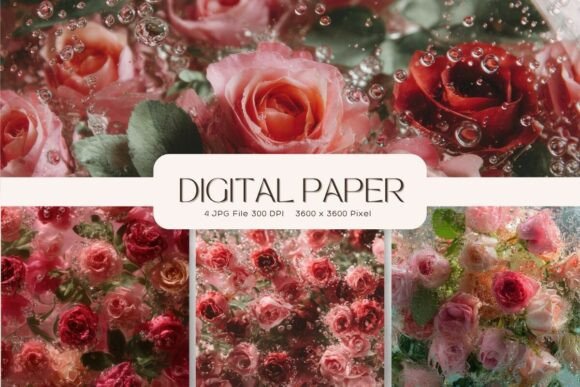
Flower Backgrounds Wall Art Wallpaper_5: A Designer's Digital Toolkit
You’re deep into a project—maybe it’s a brand refresh for a local florist, a series of social media posts for a spring sale, or the layout for a wedding invitation suite. You have the core typography locked in, but the background feels… flat. The text is competing with the imagery, or worse, it’s floating in a sea of blank space that lacks personality. This is where the right digital asset becomes less of an accessory and more of a foundational element. Flower Backgrounds Wall Art Wallpaper_5 isn’t just another floral pattern; it’s a high-resolution toolkit designed to solve this exact problem, offering a versatile foundation for a wide range of creative work.
More Than Just a Pretty Pattern
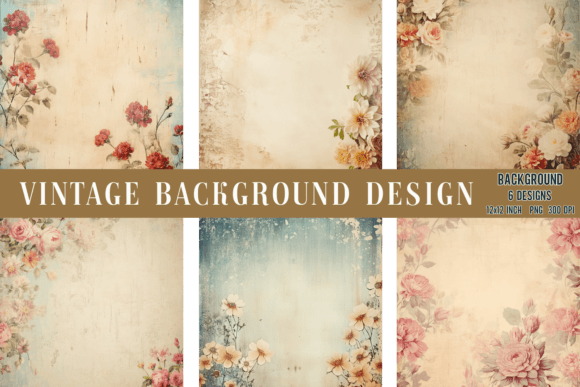
At first glance, Flower Backgrounds Wall Art Wallpaper_5 presents a curated botanical aesthetic. The design likely balances intricate floral details with enough negative space to remain functional. Think of it not as a loud, dominating wallpaper, but as a sophisticated texture that can play multiple roles. Its personality leans towards elegant and organic, with a style that can feel both vintage and contemporary depending on its application. The visual appeal lies in its potential for layering; it can be a full-bleed background or a subtle accent panel, giving you, the creator, significant control over the final mood.
This particular set arrives as a digital file—specifically, four high-resolution 300 DPI JPGs on a 12"x12" sheet. This format is crucial. The 300 DPI ensures clarity for professional print design, from packaging design to editorial design layouts. The square sheet is a nod to the crafting and scrapbooking community, but its utility extends far beyond that. You can adjust the size as needed, making it a scalable asset for everything from a small social media icon to a large-format poster. Understanding this is the first step to unlocking its real-world value.
Strategic Applications Across Your Projects
Let’s move beyond theory. Where does a resource like this genuinely enhance a project? For brand identity, it can serve as a foundational texture for a brand that wants to communicate natural beauty, artisanal quality, or romantic elegance. Imagine using a cropped section as the background for a logo presentation or as a consistent element in brand collateral like business cards and letterheads. It helps build a recognizable visual language without relying solely on a creative font or color palette.
For web design and social media graphics, its role is equally practical. A busy floral background can kill readability if used carelessly. The key is strategic application. Use it as a hero image behind a solid, contrasting text box. Apply it as a subtle, semi-transparent overlay to add depth to a flat design. For content creators and bloggers, it can transform a simple quote graphic into an engaging piece of visual content. Marketers can use it to create eye-catching promotional materials for seasonal campaigns, ensuring the visual theme aligns with the message.
The list of potential uses is extensive:
- Digital & Print: Website headers, blog post featured images, email newsletter banners, printable wall art, greeting cards, invitations, and stationery.
- Branding & Marketing: Product packaging, lookbook backgrounds, sales sheet textures, and cohesive social media content grids.
- Personal & Craft: Digital scrapbooking, custom planner pages, DIY gift wrap, and personalized device backgrounds.
Integrating the Asset with Professional Typography
The true test of a design asset is how well it cooperates with typography. Flower Backgrounds Wall Art Wallpaper_5 generally pairs best with clean, simple typefaces. A bold, geometric sans serif font can create a striking modern contrast against the organic forms of the flowers. A classic, elegant serif font can enhance the traditional, refined feel. If you opt for a script font or handwritten font, ensure it has excellent legibility and is used sparingly for headlines or accents, not body copy. The goal is visual hierarchy; the background should support the message, not compete with it.
This is where thoughtful font pairing comes in. Your headline typeface might be a display font with personality, while your body copy uses a highly readable sans serif. The floral background acts as the unifying texture. Always test your combinations at scale. Zoom in to check the clarity of letterforms against the intricate details of the pattern. Does the text remain the focal point? If not, adjust the background’s opacity, add a solid color overlay, or choose a bolder typeface.
Making an Informed Choice for Your Workflow
Before you commit, evaluate the fit for your specific project. Does the color palette of Flower Backgrounds Wall Art Wallpaper_5 align with your brand or project’s color scheme? Remember, colors can vary across screens and printers, so consider how it might shift in print. For commercial use, the licensing is straightforward—it’s a digital file you purchase for use in your designs, but you cannot resell the file itself. This is standard for commercial fonts and assets, protecting the creator while giving you broad usage rights.
Think about your existing toolkit. Does this asset fill a gap? If you already have a library of floral textures, how is this one different? Perhaps its composition or color story makes it more suitable for a particular client or season. For entrepreneurs and small business owners, investing in a few high-quality, versatile premium assets like this can significantly elevate your marketing materials, saving you time and providing a professional finish that stock imagery often lacks.
Ultimately, the value of Flower Backgrounds Wall Art Wallpaper_5 lies in its application. It’s a tool that, when used with intention and an understanding of design principles, can help you create more cohesive, engaging, and professional work. It’s not about the asset itself, but about the problems it helps you solve and the beauty it helps you communicate. Start with a small, focused project—a single social media graphic or a personal blog header—to test its capabilities and see how it integrates into your creative process.