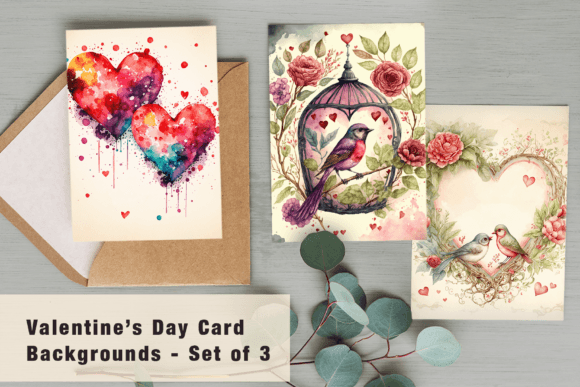
Beautiful Watercolor Valentines Card Backgrounds for Your Designs
The Artistic Allure of Hand-Painted Style
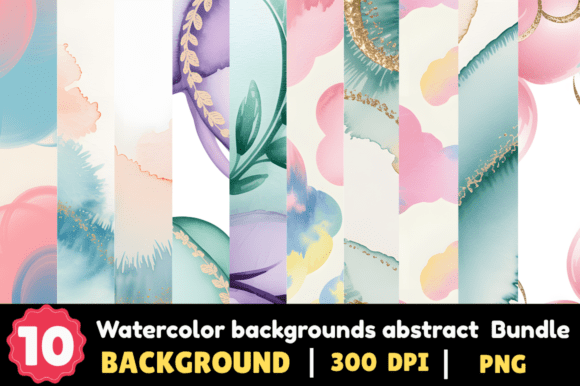
There is a distinct warmth that comes with watercolor that digital precision often misses. When you use Watercolor Valentines Card Backgrounds, you are not just dropping a color onto a layer; you are introducing organic texture, soft bleeds, and a sense of human touch to your work. This particular set, featuring three distinct 5x7 inch PNG images, captures that authentic, artistic vibe perfectly. The edges are soft, the blending is natural, and the colors feel mixed on a palette rather than coded in a hex value. For designers and creators, this style acts as a premium font for the eyes—it carries personality without needing a single letter of text to explain itself.
The visual characteristics of these backgrounds lean heavily into romanticism without becoming kitschy. You will notice the way the pigment settles into the "tooth" of the digital paper, creating darker spots in some areas and lighter washes in others. This is the kind of detail that separates a generic template from a professional design asset. Whether you are a graphic designer working on a client project or a hobbyist making a card for a partner, these textures provide a sophisticated base that feels expensive and thoughtful.
Practical Applications: Beyond the Greeting Card
While the name suggests a specific holiday, the utility of Watercolor Valentines Card Backgrounds extends far beyond February 14th. The soft pinks, reds, and organic textures are incredibly versatile for various sectors of the creative industry. If you are involved in brand identity work for a boutique, a bakery, or a lifestyle brand, these backgrounds can serve as the foundation for mood boards or even final packaging designs. They evoke feelings of care, gentleness, and authenticity—traits that many modern brands are desperate to communicate.
Consider the digital space as well. For bloggers and content creators, these backgrounds are perfect for social media graphics. A soft watercolor wash makes for an excellent overlay on Instagram Stories or Pinterest pins, ensuring that text remains legible while adding a layer of artistic depth. In web design, they can be used as hero section backgrounds for landing pages, provided the contrast with the web font is managed correctly. They also work beautifully for wedding invitations, baby shower announcements, and "thank you" cards for small business owners looking to add a personal touch to their packaging.
Design Strategy and Visual Hierarchy
When integrating these backgrounds into your projects, the concept of visual hierarchy becomes paramount. Because watercolor is naturally busy and textured, it competes for attention. If you overlay a complex script font or a detailed serif font directly onto the busiest part of the image, the result will be illegible. The professional approach is to use these backgrounds to frame your content, not bury it.
One effective strategy is the use of negative space. Look at the lighter washes in the watercolor texture—that is where your headline belongs. Alternatively, you can introduce a semi-transparent layer or a soft vignette to darken the edges, allowing a lighter sans serif font to pop in the center. This technique creates a clear separation between the background art and the foreground message. It ensures that the "mood" is set by the watercolor, but the "message" is delivered clearly by your typography.
Choosing the Right Typography to Pair
Font pairing is an art form, and when working with expressive backgrounds like Watercolor Valentines Card Backgrounds, your choice of typeface is critical. You generally want to avoid overly geometric or rigid fonts, as they can clash with the fluid nature of the water. Instead, look for modern typography that has a bit of warmth.
A classic combination might involve a handwritten font or a flowing script font for the main headline to echo the organic nature of the paint. However, for readability in the body text, a clean display font or a rounded sans serif font is often the better choice. This contrast—organic headers with clean body text—creates a balanced visual hierarchy. If you are designing a logo or a specific brand mark to go over these backgrounds, ensure the logo has enough "weight" or outline contrast so it doesn't get lost in the texture.
Technical Considerations for Print and Digital
The provided set includes three PNG images sized at 5x7 inches. This is a standard dimension for greeting cards, but it requires some thought if you are adapting it for other uses. For print design, ensure your DPI is set correctly. While PNGs are high quality, scaling them up significantly for large format printing (like posters) might result in pixelation. It is best to keep these assets within their native size range or slightly larger.
For digital use, the file size of PNGs can sometimes be heavy, which might impact website loading speeds. If you are using these for web design, it is worth running them through a compression tool to optimize performance without losing the subtle gradients of the watercolor. Always test your designs on multiple devices. A background that looks like a subtle blush on a high-resolution monitor might look like a flat pink block on a lower-quality screen. The texture is the star here, so you want to ensure it remains visible across different viewing conditions.
Commercial Licensing and Brand Consistency
For entrepreneurs and small business owners, the question of commercial licensing is always relevant. Using assets like Watercolor Valentines Card Backgrounds in client work or merchandise requires that you adhere to the licensing terms provided with the set. Generally, these assets are intended to be incorporated into a larger design rather than resold as standalone files.
From a brand identity perspective, consistency is key. If you choose to use these watercolor textures for a Valentine's promotion, consider how they fit into your broader visual language. Do they match your existing color palette? Can the texture be applied to other elements, like business cards or email headers, to create a cohesive look? Using these backgrounds effectively means thinking about the entire ecosystem of your design, ensuring that the soft, romantic vibe of the watercolor aligns with the message you want to send to your audience. When used thoughtfully, these assets can elevate a standard design into something truly memorable and emotionally resonant.