10 Stripe Digital Paper Backgrounds for Creative Projects
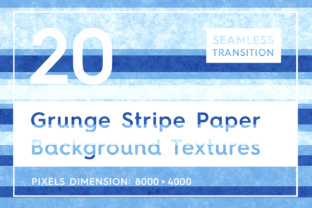
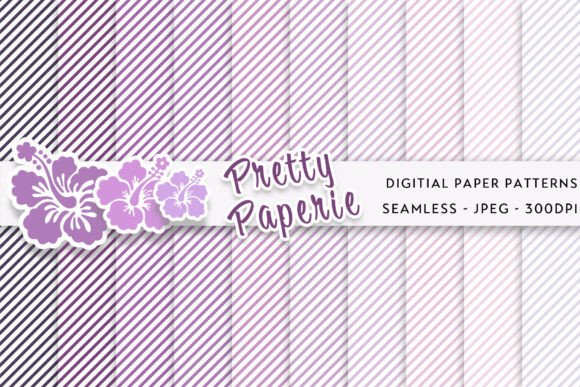
There's a particular kind of magic in a well-chosen background. It doesn't shout for attention, but it quietly sets the entire mood of a design. That's exactly the role these 10 Stripe Digital Paper Backgrounds are built to play. This collection offers a curated set of ten coordinating patterns, each rendered at a generous 3600 x 3600 pixels and 300 dpi. Delivered as high-resolution JPGs in a single ZIP file, they're ready to drop into your workflow the moment you download them. Think of them as a versatile foundation—a set of design assets that bring structure, color, and a gentle rhythm to your work without overwhelming it.
The Quiet Power of a Coordinated Stripe
Stripes are one of the most enduring patterns in visual design for a reason. They guide the eye, create a sense of order, and can shift from playful to sophisticated with a simple change in color or scale. This particular collection leans into that versatility. The stripes here aren't rigid or overly formal; they have a handcrafted feel, with slight variations that give them warmth and personality. They're the kind of pattern that feels both intentional and effortless—perfect for adding a layer of texture that supports your main content rather than competing with it.
In practical terms, this means they work beautifully as a background layer. For a logo design presentation, a subtle stripe can frame your mark and give it context. In packaging design, it can create a cohesive look across a product line. For web design or social media graphics, a stripe can add visual interest to a hero section or a post template without cluttering the message. The key is that these patterns provide a reliable, professional-grade foundation. They're a premium font equivalent for your background layer—dependable, high-quality, and designed to elevate everything placed on top of them.
Where These Patterns Shine: From Digital to Physical
The real value of a resource like the 10 Stripe Digital Paper Backgrounds is in its application across diverse projects. Let's move beyond theory and look at where you'd actually use them.
- Digital Planners and Journals: For creators in the digital planning space, these stripes are gold. They can serve as section dividers, cover backgrounds, or decorative accents within a digital planner. The consistent resolution ensures they look crisp on any tablet or screen, maintaining a professional and polished aesthetic that users appreciate.
- Editorial and Publishing Design: In editorial design, think of these as chapter openers or sidebar backgrounds in a magazine layout or a PDF workbook. A stripe can pull a color from a photograph or a headline, creating immediate visual hierarchy and a sense of brand identity throughout the publication.
- Marketing and Brand Collateral: Need a quick, on-brand background for a presentation slide, a webinar title card, or an email newsletter header? These patterns provide instant cohesion. They're a shortcut to looking put-together, which directly influences brand perception. A consistent pattern across touchpoints builds recognition and signals reliability.
- Hands-On Craft Projects: The mention of scrapbooking layouts, cards, and gift tags isn't just a throwaway line. For crafters, these digital papers are a direct substitute for physical patterned paper. Print them out for papercraft, use them as a base for a handmade card, or incorporate them into a mixed-media art journal. The 300 dpi resolution is critical here—it means your printed projects will have sharp, professional detail.
Making It Work: Practical Guidance for Your Workflow
Having a great asset is one thing; using it effectively is another. Here’s how to integrate these stripes thoughtfully.
First, consider the project's mood. The color palette of the stripe collection will dictate its best use. Warm, muted stripes might suit a wellness brand or a vintage-style project. Bold, high-contrast stripes could energize a sale announcement or a tech startup's graphics. Always let the stripe support the message, not distract from it.
Second, mind the hierarchy. A busy stripe can make text hard to read. Use it strategically: as a full background for a title card where text is large and bold, or as a partial element—like a banner or a border—where it adds interest without sacrificing readability. Pair it with clean, simple typefaces. A bold sans serif font or a classic serif font will often sit more comfortably on a striped background than an ornate script font or handwritten font.
Third, test your pairings. Don't just slap a stripe behind your logo and call it done. Try different stripes from the set. See how a vertical stripe changes the feel compared to a horizontal one. Play with opacity or overlay a semi-transparent color wash to soften the pattern if needed. This kind of experimentation is what separates a good design from a great one.
Finally, understand the license. This is a commercial font equivalent for backgrounds—licensed for both personal and commercial use. That means you can use these in client work, products for sale, and your own business materials without worry. It's a creative font resource that gives you broad, practical freedom.
A Foundation for Your Next Idea
In the end, the 10 Stripe Digital Paper Backgrounds are less about being the star of the show and more about being the reliable supporting cast. They’re the kind of design asset you’ll find yourself returning to because they solve a common problem: how to add visual depth, cohesion, and professionalism quickly and affordably. They’re a small investment that can streamline your process, elevate your output, and—most importantly—let you focus on the creative idea that really matters. So go ahead, download them, and see how a simple stripe can bring a little joy and a lot of polish to whatever you're making next.